
B.Tech · 4 Years · 120 seats
B.Tech in Electronics and Communication Engineering
Established in 2008 with a 120-seat intake at SVIST's Sonarpur, South Kolkata campus, ECE sits at the nexus of hardware and software. Students work across communication systems, VLSI design, embedded systems, digital signal processing, control systems, antennas, microwaves, microprocessors, robotics, and IoT, with regular skill-development workshops, add-on courses, industry visits, and internships beyond the university curriculum.
2008
Established
4 Years
Duration
120
Seats
18
Faculty
Department highlights
- 120 seats (grown from 60 since 2008)
- 18 experienced faculty members
- Labs beyond the MAKAUT-stipulated curriculum
- Industry-backed VLSI & IC Design Lab — Cadence EDA software suite and FPGA kits, via our Trellisign Technologies partnership
- Alumni placed in India and pursuing higher degrees abroad
- Regular hands-on workshops beyond the syllabus: Antenna Design (HFSS), Data Analysis with R, OriginPro, and Essentials of Modern Electronics
MAKAUT top rankers
ECE students who ranked among the top in their MAKAUT batch, honoured at recent convocations.
| Year | Student | CGPA | Rank |
|---|---|---|---|
| 2024 | Soma Das | 8.91 | 1st |
| 2024 | Abir Sarkar | 8.83 | 2nd |
| 2024 | Moumi Das | 8.34 | 3rd |
Source: MAKAUT 11th Convocation.
Vision, Mission & Program Outcomes
Vision
To become a well-known department by offering students a top-notch environment for academics and skill development in the field of Electronics and Communication Engineering to meet industrial and societal needs.
Mission
- M1To provide a student-centric learning environment, impart profound knowledge in the theoretical and practical aspects of Electronics and Communication Engineering and empower the students to meet Industry Standards.
- M2Establish state-of-the-art facilities for design and simulation.
- M3To cultivate enhanced teamwork, communication, leadership, and team-building abilities while placing a high importance on moral principles.
Program Educational Objectives (PEOs)
- PEO1Graduates will demonstrate their knowledge in the field of Electronics and Communication Engineering and allied Engineering field.
- PEO2Graduates will contribute to interdisciplinary studies with the use of modern tools & emerging technologies.
- PEO3Graduates will possess the necessary foundation required to take up gainful employment in the core and allied sectors or prepare them for a successful career and work professionally to meet the technical acquaintance, following moral principles.
Program Specific Outcomes (PSOs)
- PSO1Analyze specific engineering problems relevant to Electronics and Communication Engineering by applying the knowledge of basic sciences, engineering mathematics and engineering fundamentals, along with societal and ethical responsibility.
- PSO2Design systems containing electronic devices (hardware) and software simulation using significant analytical knowledge in Electronics and Communication Engineering and allied fields and applying modern tools to achieve a successful career in addressing real-world applications and to function as an individual as well as a team member by demonstrating positive attitudes.
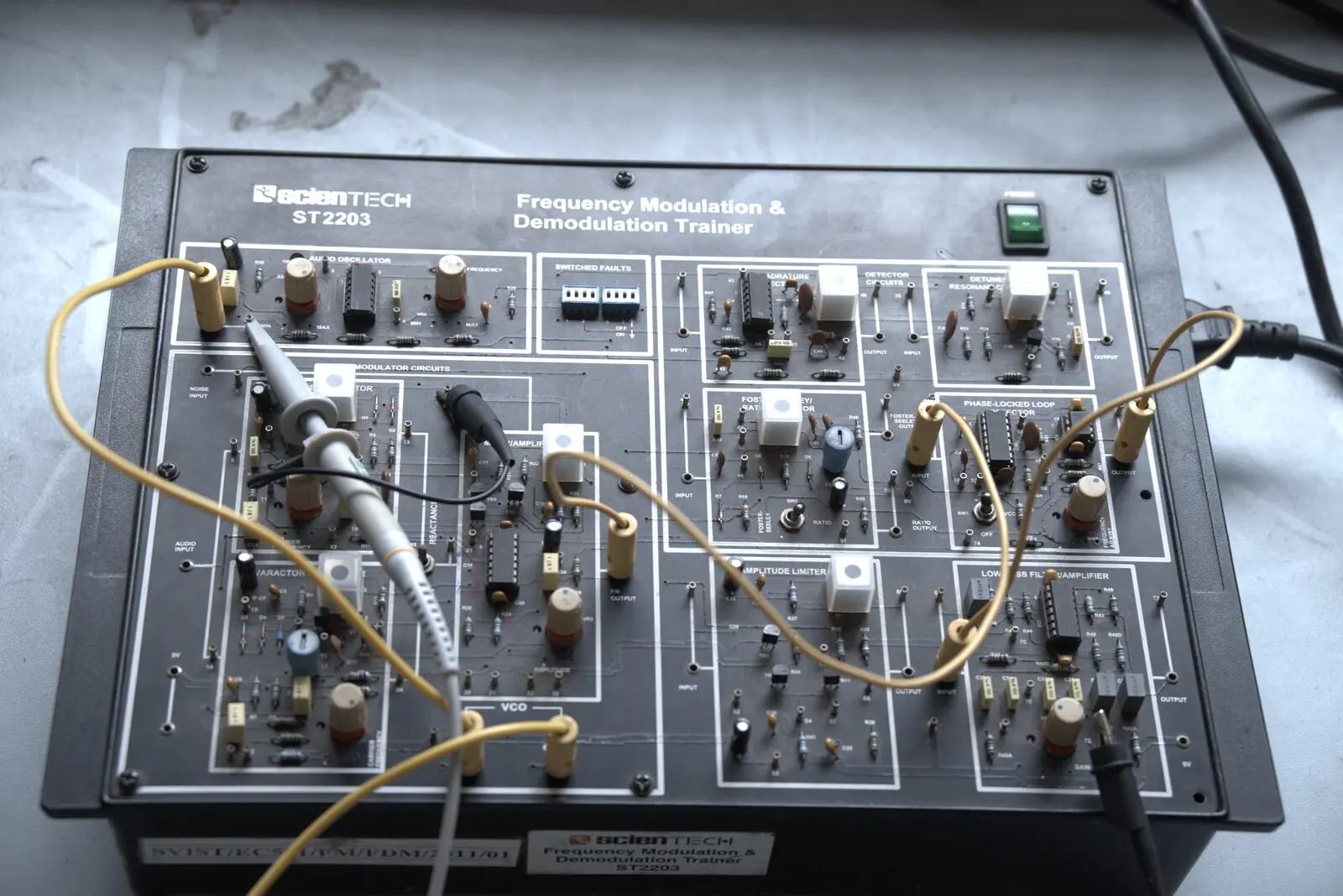
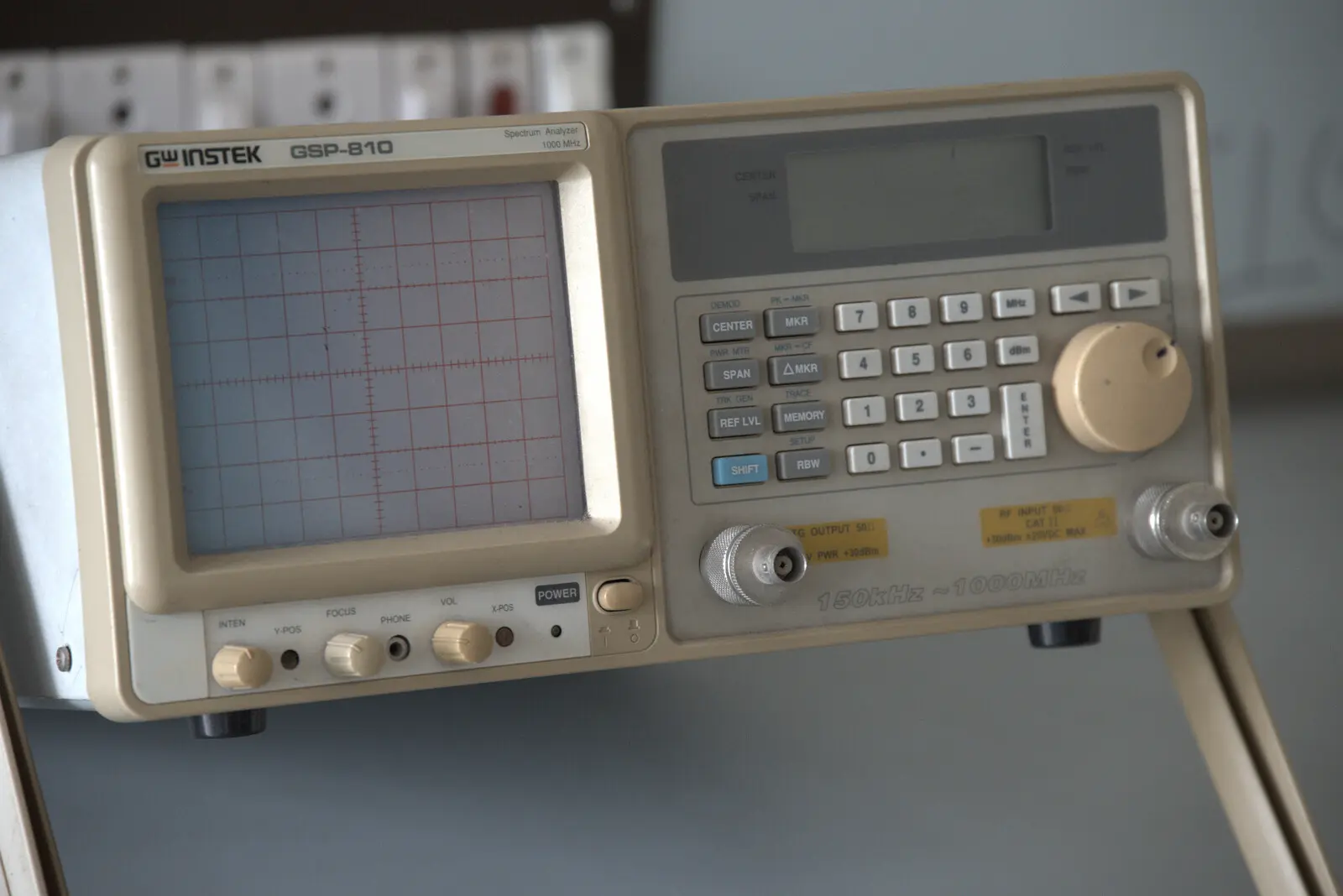
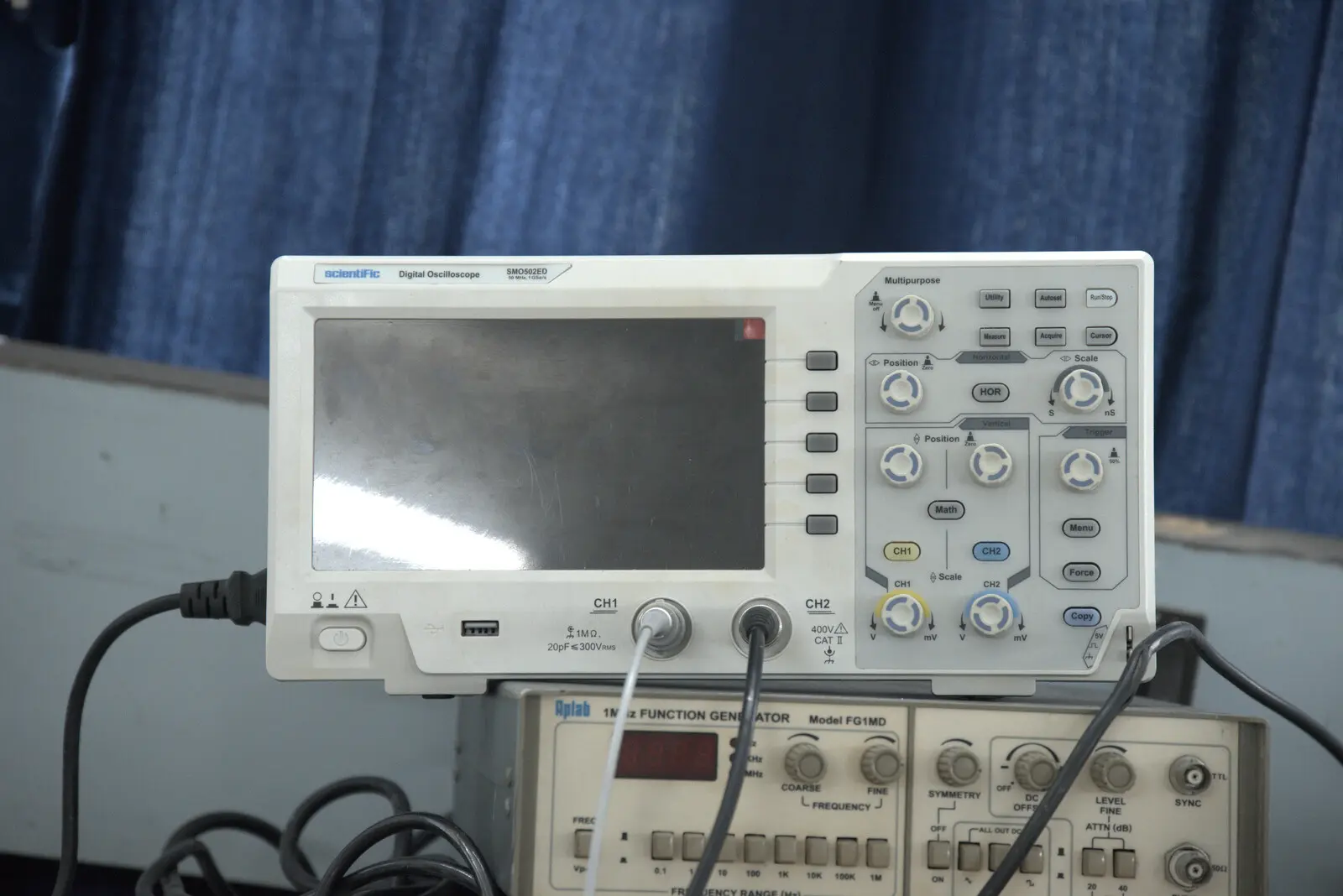
Laboratories
Free video lectures
Full-course playlists and solved previous-year-question walkthroughs for ECE, free on YouTube via Aimtech Dynamics' learning channel.
- Full Course — All Semesters →(159 videos)
- Previous Year Questions Solved →(73 videos)
Where this degree takes you
- Embedded Systems / IoT Engineer
- VLSI Design Engineer
- Telecom & Networking roles
- Defence & public sector (Indian Navy, RailTel, India Post)
- Software roles across IT services
Recruiters & packages
TCS (₹9 LPA — 2025 batch) · JBM Group · Capgemini · Kaynes Technology · Hettich · RailTel · IBM · Amazon India · Flipkart · Vodafone Idea · Dynacons
From the Head of Department
Electronics and Communication Engineering merges hardware design with advanced software development. Students master circuit analysis, VLSI microchip design, and embedded systems using Verilog, C++ and MATLAB, and study signal processing, computer architecture, and 5G wireless communication protocols. ECE graduates secure roles as silicon design engineers, firmware developers, RF engineers and network architects, and many enter top universities for Master's or Ph.D. programmes in robotics, quantum computing, or nanotechnology.

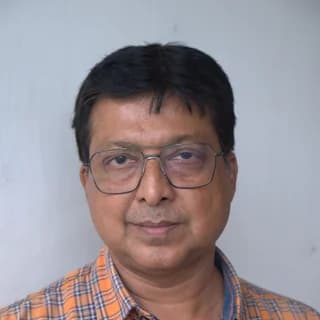
Mr. Anindya Ghosh
Assistant Professor & Joint HOD
Meet the faculty
Tap a card for qualifications, experience and achievements.
How to get in
1st year: WBJEE or JEE Main counselling. Diploma holders: JELET for direct 2nd-year lateral entry. Vacant seats may be filled per MAKAUT norms; ask us about your rank. Full admission process →